
Extra Point Dalun — Medial & Anterior Knee Pain

Figure 1: Superior aspect of the medial femoral condyle and extra point Dalun region.
TCM practitioners are trained to locate acupuncture points and how to effectively needle these points. This article is discussing an “extra point” location that is more of an area than a specific point. Extra Point Dalun is found on the anterior-medial aspect of the knee, and its location is described as on the superior aspect of the medial femoral condyle (SMFC).
Anatomically, the superior aspect of this condyle is approximately a 1-inch region, therefore extra point Dalun does not have an exact point location, but an area that encompasses a few different tissues, which can develop into pain generating ashi points. The following anatomical tissues are located within this extra point’s 1-inch region and could potentially be contributing to your patients medial or anterior knee pain. The following tissues are discussed from deep to superficial in depth.
Deep Layer
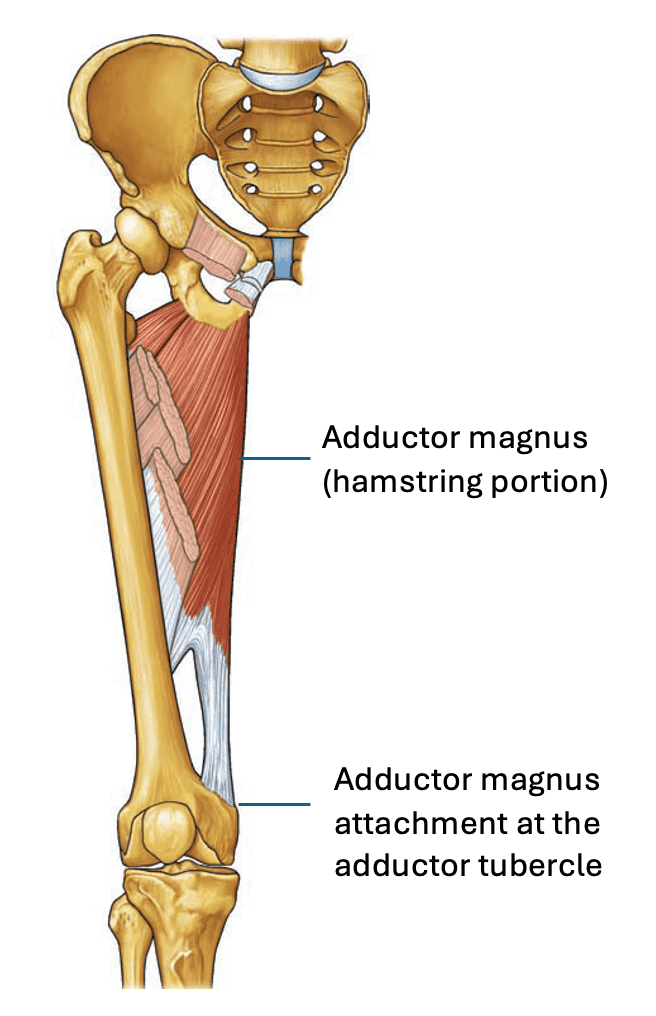
Figure. 2 Adductor magnus attachment at the adductor tubercle.
Because the description of this point’s location involves a bony landmark, it is reasonable to consider the adductor tubercle as an area to investigate. The adductor tubercle is on the medial aspect of the SMFC and is the distal attachment for the adductor magnus (hamstring portion) (Fig. 1&2). Muscle imbalances in the adductor group can create excessive tension at this attachment site and develop into ashi point pain.
Palpate: Slightly anterior to LIV 8 (ququan) and deep to the medial edge of the vastus medialis oblique (VMO) fibers, palpate the superior border of the medial femoral condyle for a dense fibrous tissue attaching to the bone. Palpate for ashi point tenderness.
Needle Technique: Needle in the same direction that the palpation finger elicited a painful response.
Muscle Layer
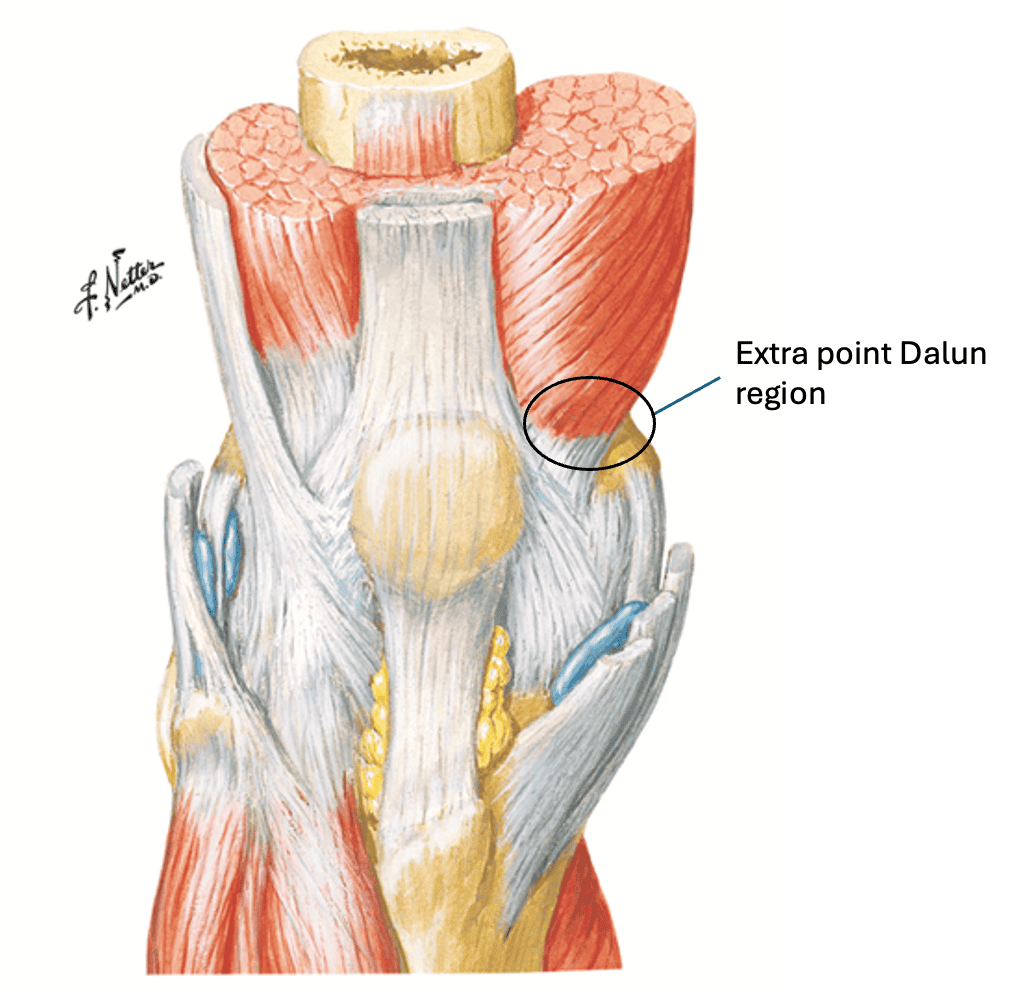
Figure 3: Myotendinous junction and extra point Dalun region.
Moving anterior away from the bone and into the myofascial tissues located superficial to the SMFC, the myotendinous junction of the VMO fibers can be found (Fig. 3). With knee pain, the VMO fibers are often weaker than its quadriceps counterpart, the vastus lateralis, which this discrepancy can develop into a host of various pain generating injuries e.g. patellofemoral syndrome, chondromalacia, trigger points referring pain sensation into the anterior and medial knee, etc.
Palpate: Cross-fiber palpation to the soft tissue indurations in this region will often trigger local pain and/or pain referral patterns into the medial and anterior knee.
Needle Technique: Pin down the myofascial ashi points with the palpation finger and needle the most tender point(s) found in the soft tissue indurations. Multiple needles in a line (pai ci) needle technique is often used.
Superficial Layer
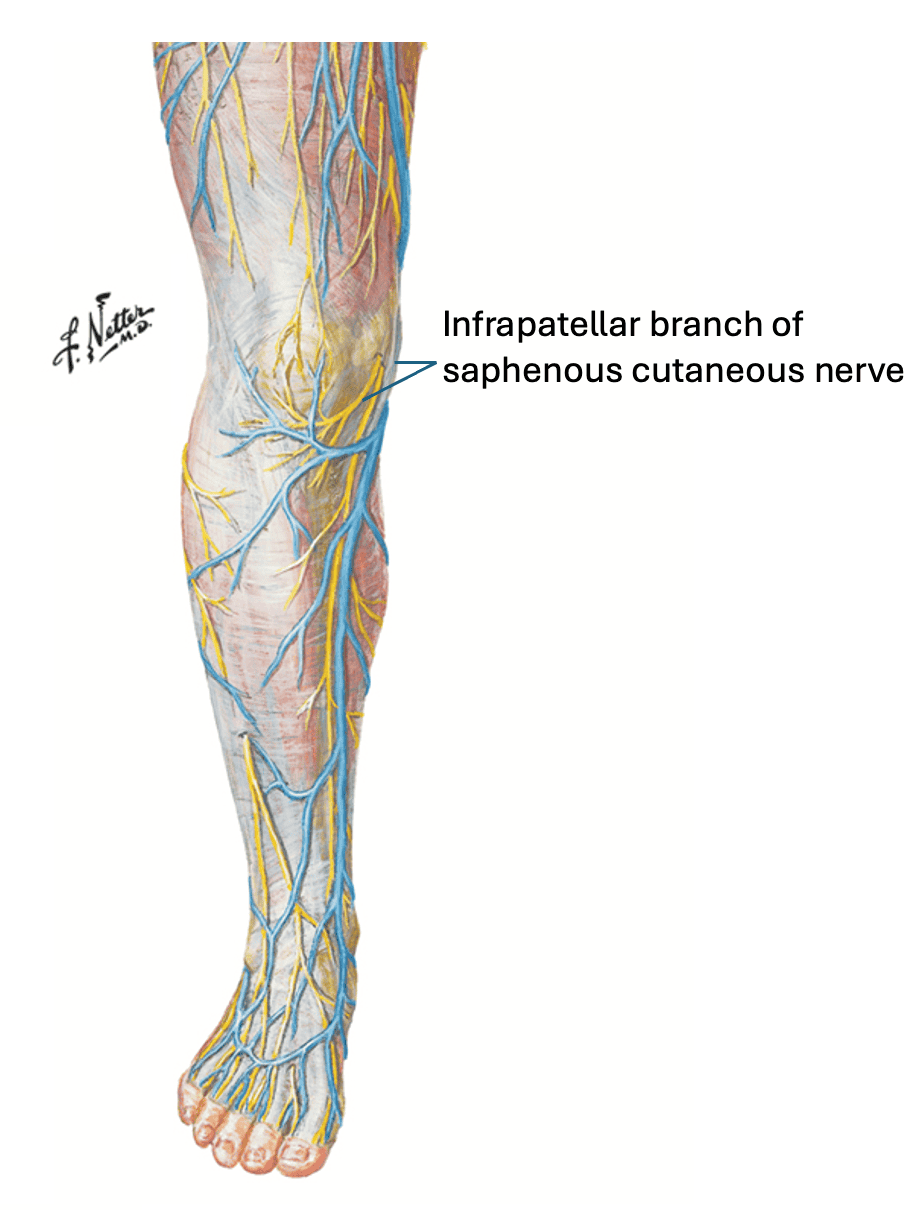
Figure 4: Infrapatellar branch of saphenous cutaneous nerve exiting the deep fascia of the thigh.
In the extra point Dalun region, a nerve entrapment can occur where the infrapatellar branch of saphenous nerve exits from the deep fascia of the thigh (Fig. 4). Referred pain can travel to the cutaneous regions of the anterior-medial knee. Tinel’s test can elicit a positive paresthesia sign.
For more information on Extra Point Dalun — Medial & Anterior Knee Pain, check out the courses in the Sports Medicine Acupuncture Certification Program. This program was developed by acupuncturists for acupuncturists.
About the author(s):

Matt Callison is the president of the Sports Medicine Acupuncture Certification program. He has been combining sports medicine and traditional Chinese medicine (TCM) for over 26 years. He is the author of the Motor Point and Acupuncture Meridians Chart, the Motor Point Index, The Sports Medicine Acupuncture textbook and many articles on the combination of sports medicine and TCM.
About the author(s):
Matt Callison is the president of the Sports Medicine Acupuncture Certification program. He has been combining sports medicine and traditional Chinese medicine (TCM) for over 26 years. He is the author of the Motor Point and Acupuncture Meridians Chart, the Motor Point Index, The Sports Medicine Acupuncture textbook and many articles on the combination of sports medicine and TCM.